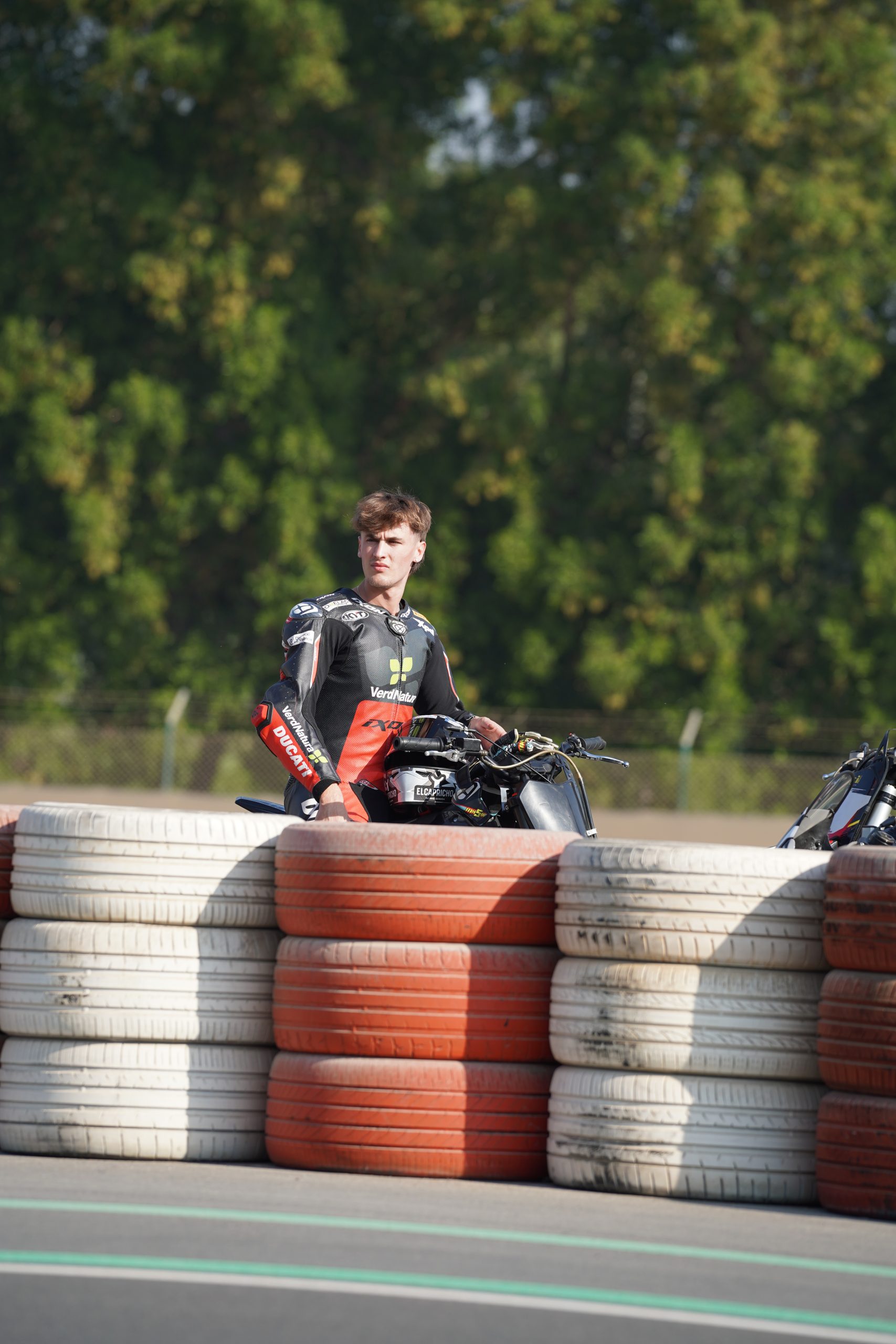
To all our fast local riders: sorry, but you’ve been wrong about Mini GP bikes
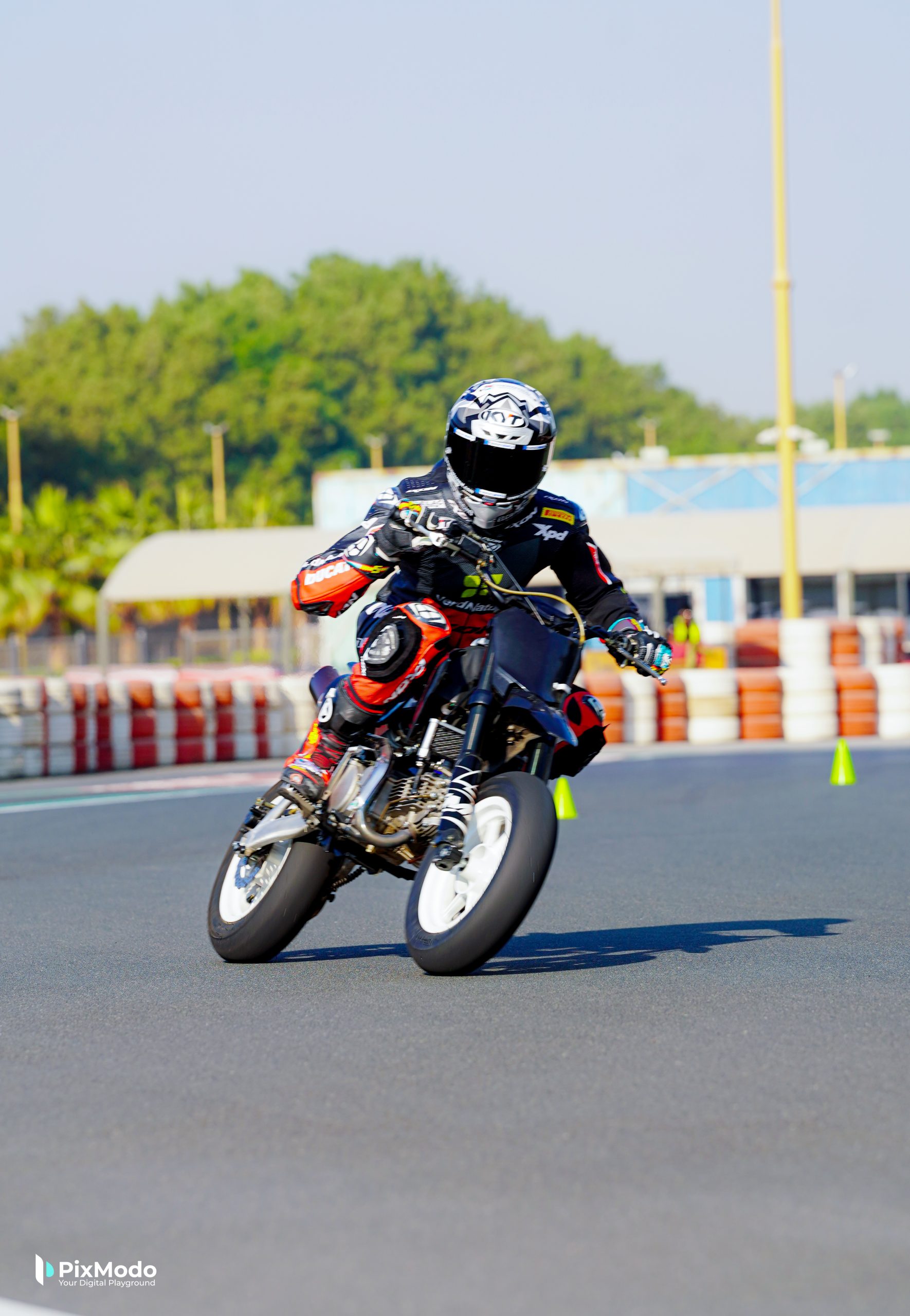
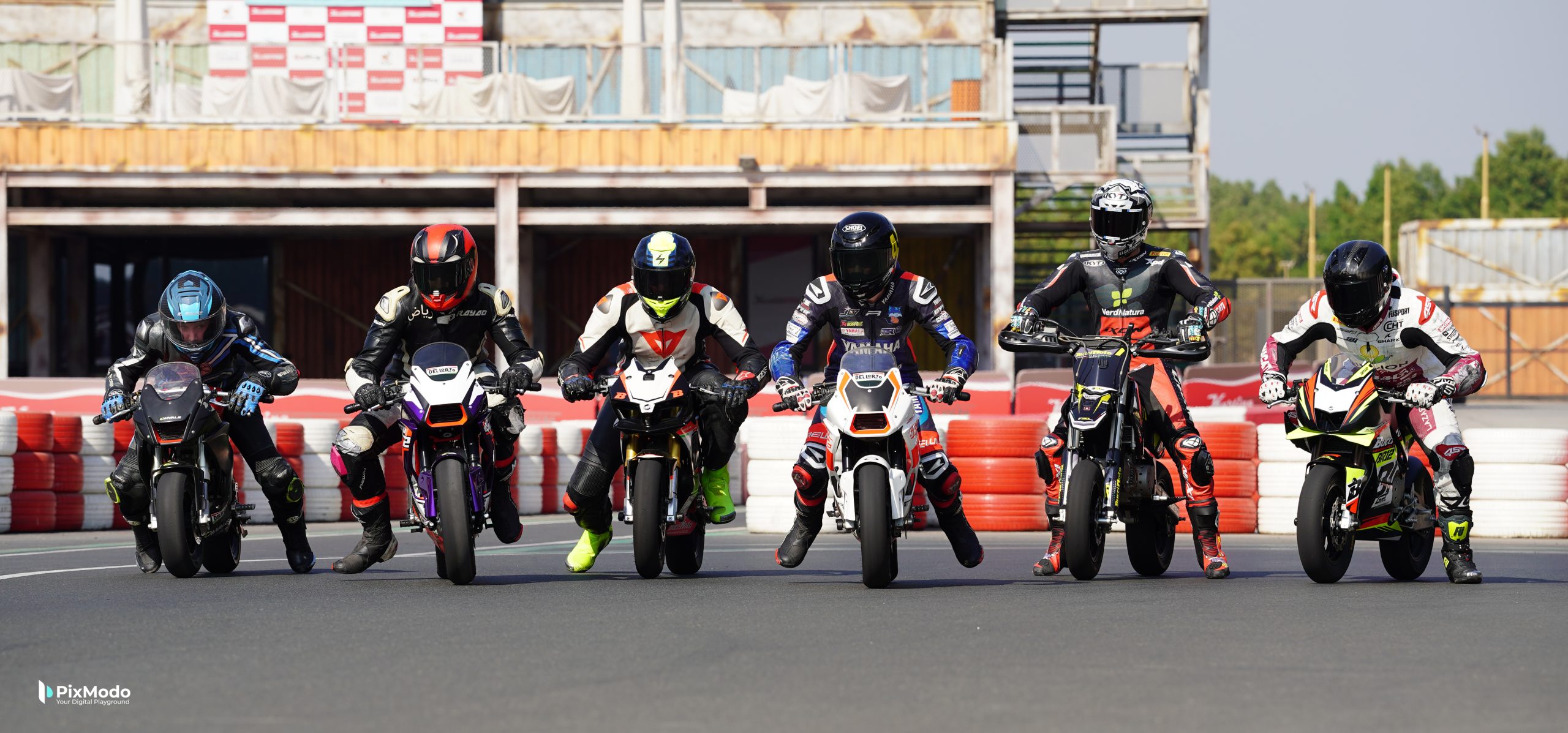
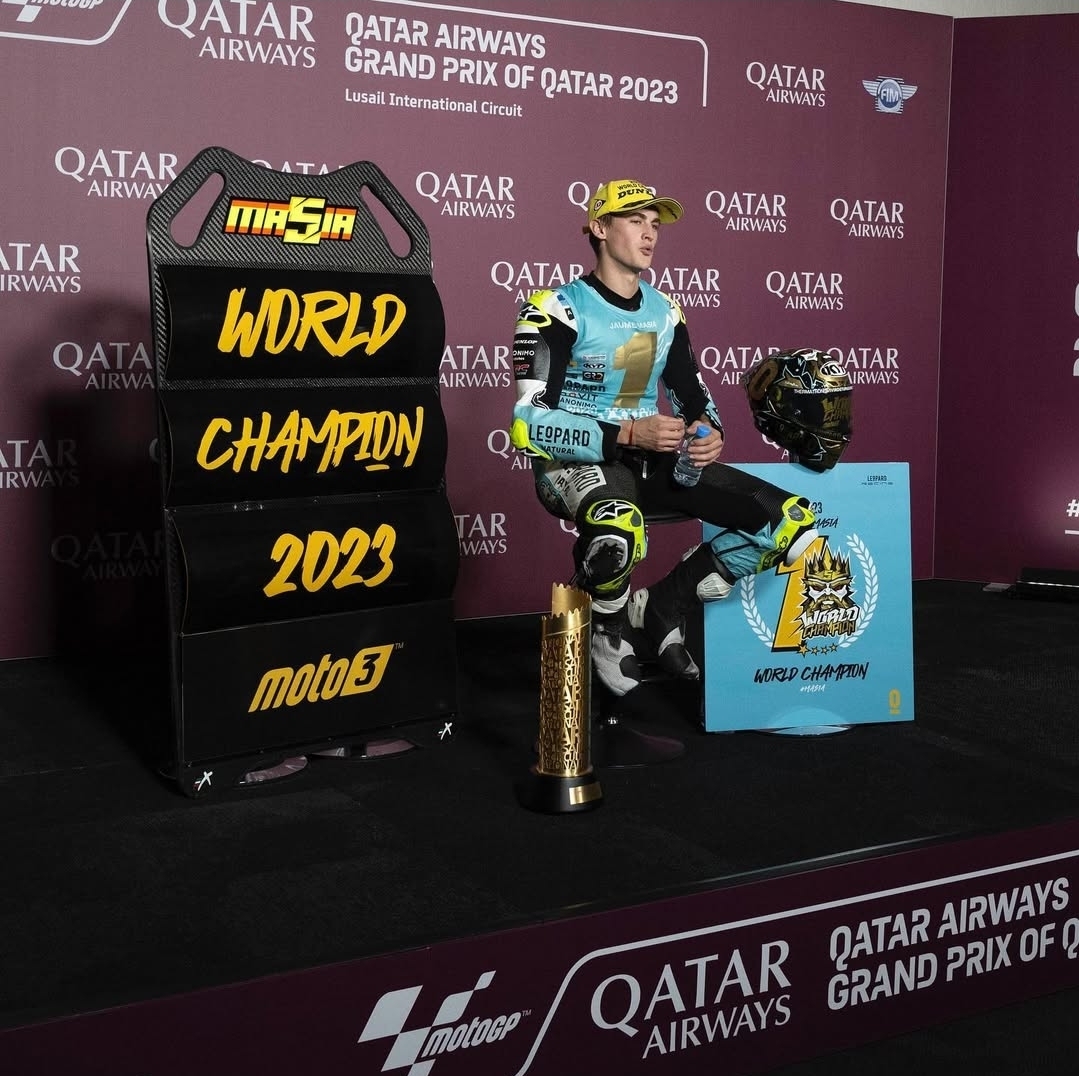
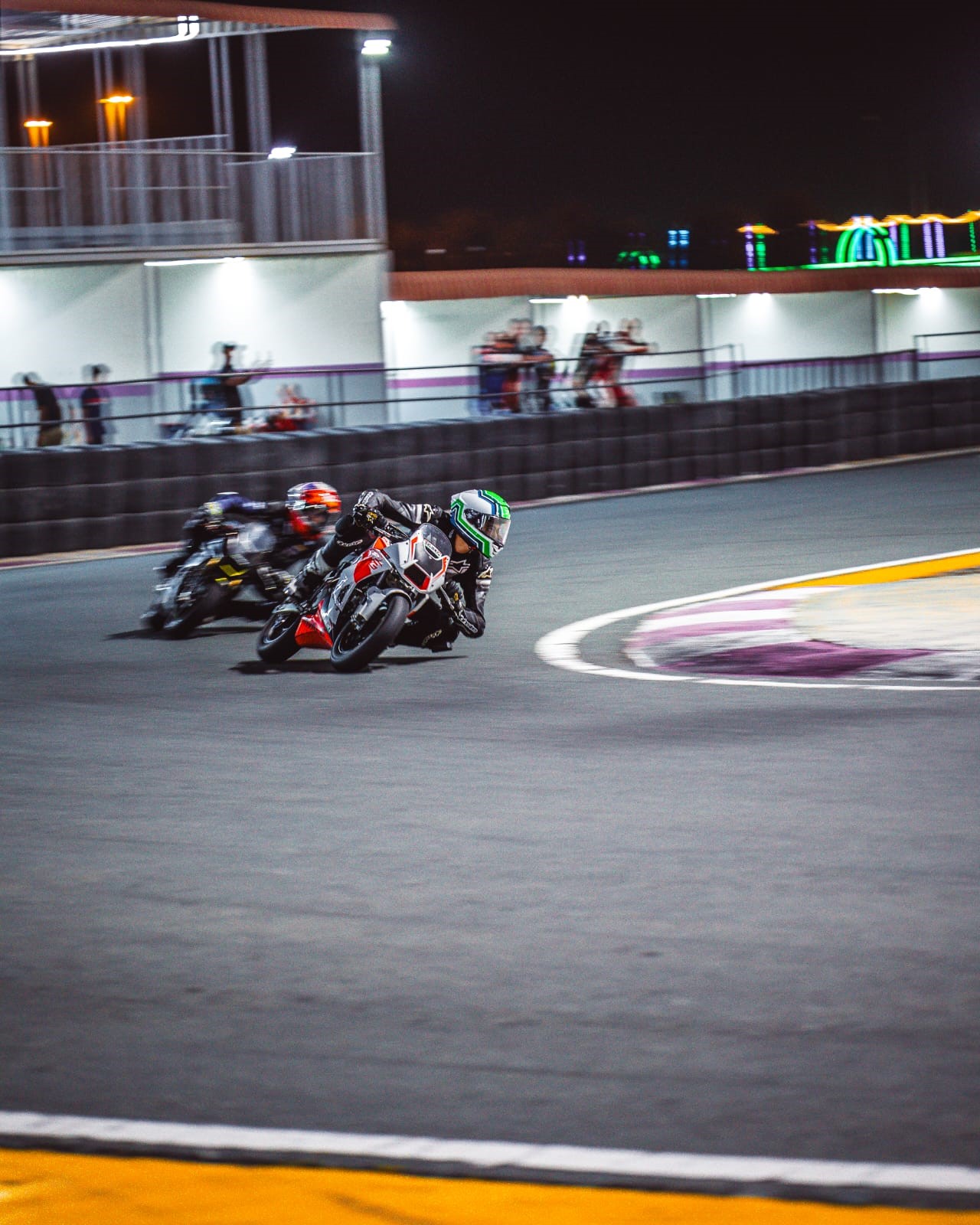
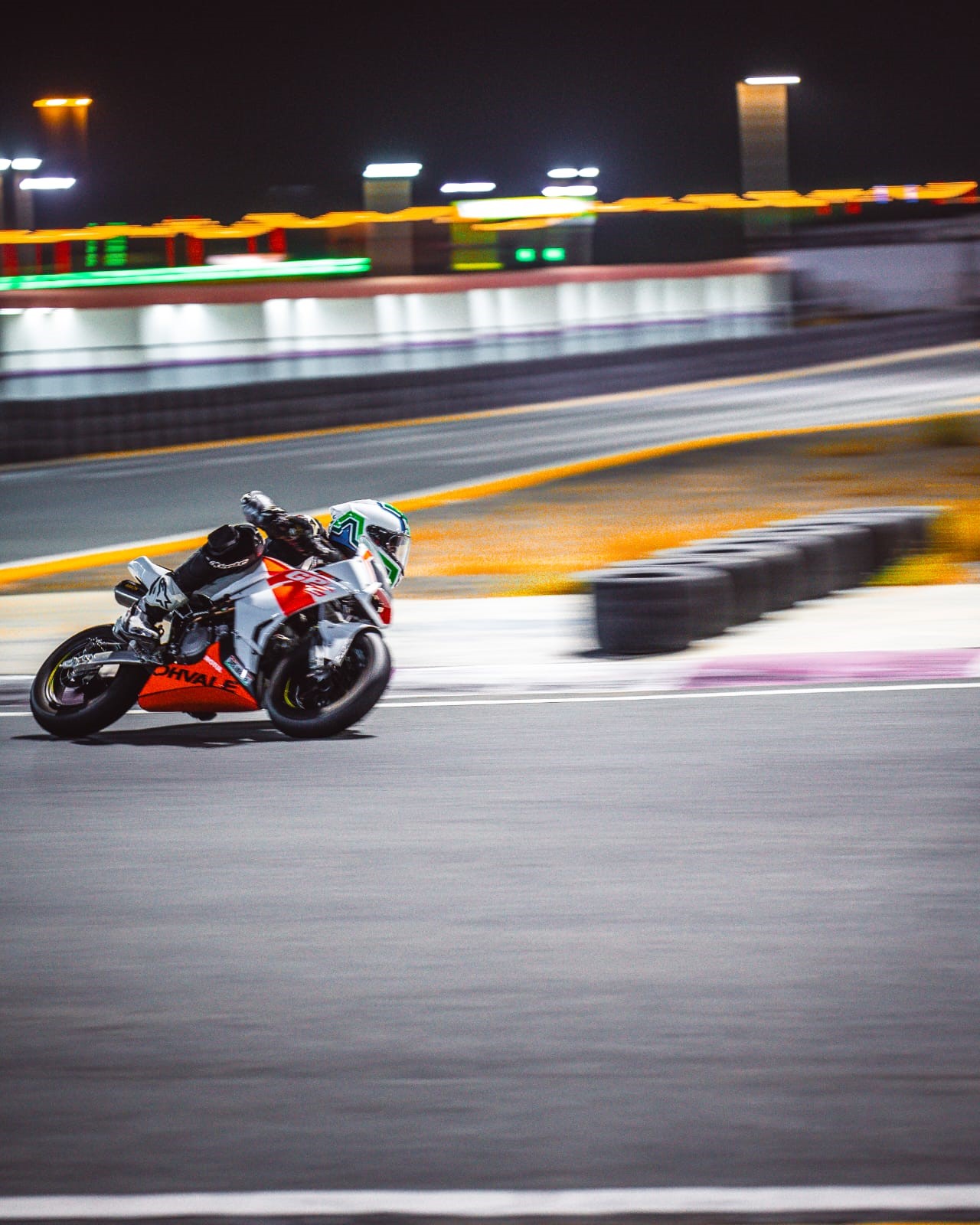
The mini GP bike—often dismissed by local riders as just a “toy”—became the centerpiece of our training with Jaume Masiá. What many consider too small or too basic, Masiá used as a powerful equalizer: a tool capable of pushing both an experienced fast rider and a complete beginner to their limits in completely different ways.
During the session, we watched how he customized the training for each rider. With experienced riders, he used the mini GP to strip down bad habits, sharpen reactions, and force precision. The small bike’s sensitivity exposes every flaw in technique—late braking, rushed throttle, sloppy lines. On a full-size bike, these mistakes might be masked by power; on a mini GP, they stand out instantly.
But Masiá didn’t stop there. He also used the same bike to guide new riders through the fundamentals. On a mini GP, a beginner can safely learn proper body position, balance, throttle discipline, and confidence without the intimidation of a large machine. Seeing a Moto3 World Champion use the same “toy” to elevate two completely different levels of riders showed us how versatile and effective it truly is.
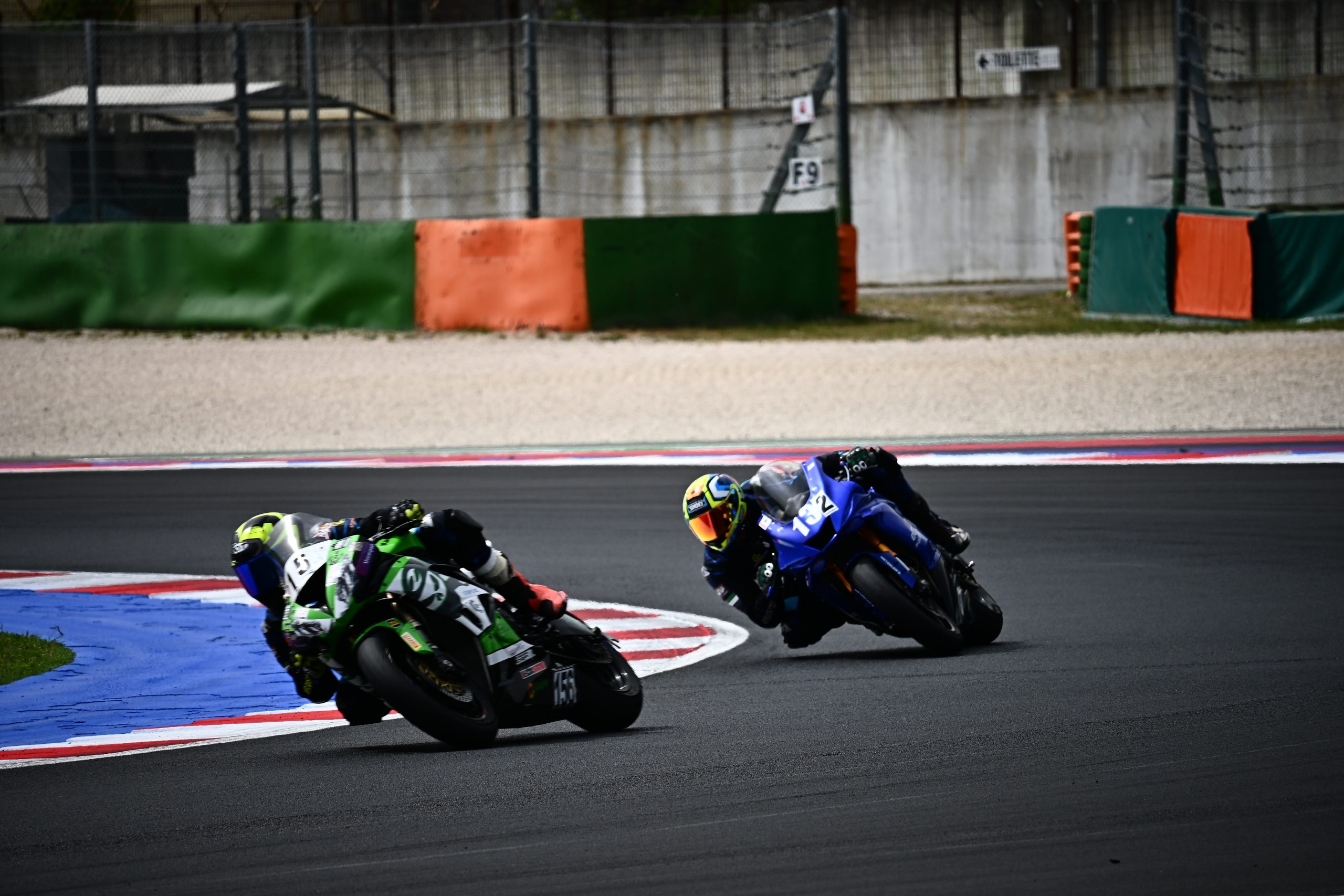
Eduardo Montero, ESBK 1000cc Champion 2024, one of our guest coaches alongside Masiá, emphasized the value of this type of training.
He said: “We spent most of our training on karting tracks. It’s difficult, more physical, and it helps you a lot to sharpen your techniques.”
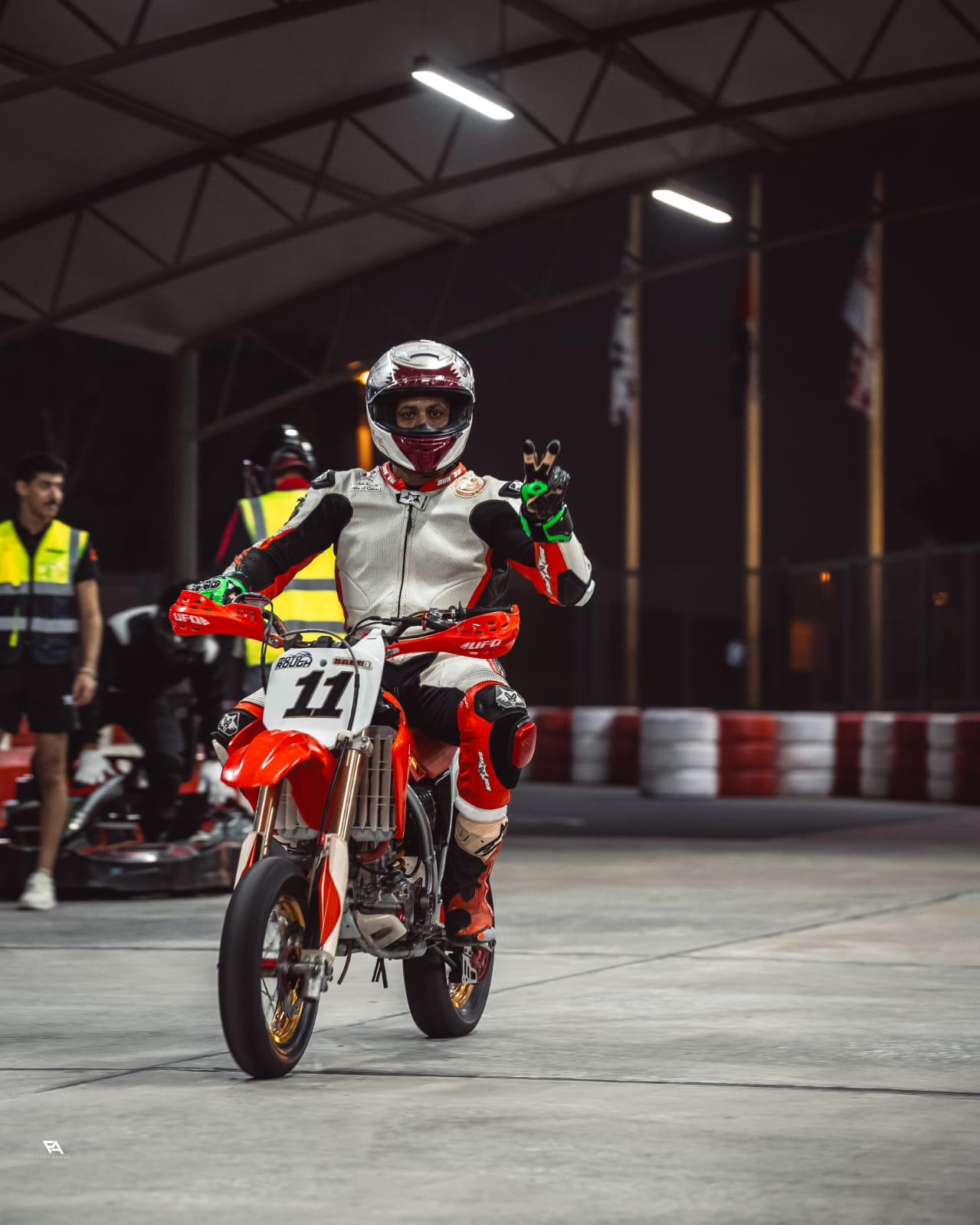
Karting tracks, with their tight corners, rapid transitions, and constant braking zones, demand absolute precision. On a mini GP, every movement counts. Every mistake costs time. Every correct technique gives instant feedback. It is one of the purest forms of riding education.
Their combined experience made something very clear:
Professional riders don’t wait for perfect conditions or the biggest bikes to train. They maximize whatever tools they have—especially the small ones that everyone else ignores.